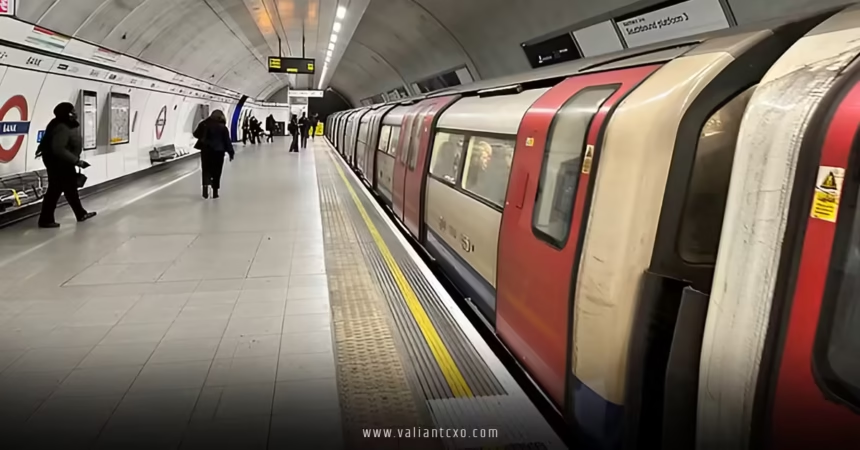
Northern Line—it’s the black line snaking through London’s Underground map, a lifeline for commuters, tourists, and locals alike. Stretching across the city, this Tube line is more than just a way to get from A to B; it’s a thread woven into the fabric of London’s history, culture, and daily life. Whether you’re zipping through the bustling heart of the city or venturing to its quieter edges, the Northern Line offers a front-row seat to London’s eclectic charm. In this article, we’ll dive deep into what makes the Northern Line so special, from its storied past to its modern-day quirks, and why it’s a must-know for anyone navigating the capital. Ready to hop aboard? Let’s explore!
What Is the Northern Line?
The Northern Line is one of London’s oldest and busiest Underground lines, part of the sprawling Transport for London (TfL) network. Running north to south, it connects suburbs like Barnet and Morden to central hotspots like Bank and King’s Cross. With 52 stations and two main branches—High Barnet and Morden—it’s a workhorse of the Tube, carrying millions of passengers each year. But what sets it apart? It’s not just about getting from point A to point B; it’s about the stories, the stations, and the people who make this line a living piece of London.
Think of the Northern Line as a time machine. Its stations, from the historic arches of Mornington Crescent to the sleek modernity of Kennington, tell a story of a city that’s constantly evolving. With a mix of deep-level tunnels and surface tracks, it’s a line that’s as diverse as the passengers it carries.
A Brief History of the Northern Line
Early Beginnings
The Northern Line’s roots stretch back to the late 19th century, when London was pioneering the world’s first underground railway. Originally, it was a patchwork of separate railways, like the City and South London Railway (opened in 1890) and the Hampstead Tube (1907). These were stitched together over time, forming the Northern Line we know today. Fun fact: it got its name in 1937, inspired by its northern reaches into suburbs like High Barnet.
Why does this matter? Because riding the Northern Line is like traveling through layers of history. Stations like Stockwell still boast original Victorian tiles, while others, like Tottenham Court Road, have been revamped with futuristic designs. It’s a blend of old and new that’s quintessentially London.
Key Milestones
Over the decades, the N-o-r-t-h-e-r-n L-i-n-e has seen it all—World War II air raid shelters, post-war expansions, and modern upgrades. During the Blitz, stations like Balham became makeshift bunkers, offering safety to Londoners. Fast forward to today, and the line’s recent extension to Battersea Power Station (opened in 2021) shows it’s still growing. Each milestone adds a new chapter to the Northern Line’s legacy, making it a living museum beneath the city streets.
Why the Northern Line Stands Out
The Deepest Depths
Ever wonder why some Northern Line stations feel like you’re descending into the Earth’s core? The line is famous for its deep-level tunnels, especially in central London. Hampstead, for instance, is the deepest station on the entire Underground network, sitting 58.5 meters below ground. That’s like standing at the bottom of a 19-story building! The escalators seem endless, but they’re part of the line’s charm.
A Tale of Two Branches
The Northern Line’s split personality is one of its quirks. It has two main branches: the High Barnet branch, which stretches into leafy North London, and the Morden branch, serving South London’s suburbs. There’s also a small loop via Charing Cross or Bank, which can confuse first-time riders. Pro tip: always check the destination sign on the train to avoid ending up in Morden when you meant to hit Mill Hill East!
Cultural Hotspots
From Camden Town’s punk-rock vibe to the West End’s theater district near Leicester Square, the Northern Line connects you to London’s cultural heartbeat. Want to catch a gig, visit a museum, or grab a curry in Tooting? The Northern Line’s got you covered. It’s like a curated playlist of London’s best bits, all accessible with a single Oyster card swipe.
Navigating the Northern Line: Tips for Travelers
Beating the Rush Hour Crush
Let’s be real: the Northern Line can get packed, especially during morning and evening commutes. Stations like King’s Cross and London Bridge are notorious for crowds. If you’re a newbie, avoid traveling between 7-9 AM or 5-7 PM unless you love the sardine-can experience. Want a smoother ride? Opt for off-peak hours or grab a seat at the end of the line, like High Barnet or Morden.
Station Highlights
Not all Northern Line stations are created equal. Here are a few standouts:
- Camden Town: A hub for music lovers, with markets and live venues just steps away.
- Oval: Perfect for cricket fans heading to The Oval stadium.
- Battersea Power Station: A shiny new addition with riverside views and trendy shops.
- Mornington Crescent: A quirky favorite, thanks to its iconic arched facade and radio game show fame.
Each station has its own personality, so take time to explore beyond the platform.
Accessibility Matters
While the Northern Line is a gem, it’s not perfect. Many older stations, like Chalk Farm, lack step-free access, which can be a hassle for those with mobility needs. However, newer stations like Battersea Power Station and revamped ones like Tottenham Court Road offer lifts and better facilities. Check TfL’s website for the latest accessibility info before you travel.
The Northern Line’s Role in London’s Daily Life
Commuters’ Lifeline
For many Londoners, the Northern Line is the backbone of their daily routine. It connects workers in the City to homes in suburbs like Colliers Wood or Finchley. But it’s not just about work—it’s about connection. The line links families, friends, and communities across the city, making London feel a bit smaller and a lot more human.
A Tourist’s Best Friend
Visiting London? The Northern Line is your ticket to iconic spots. Hop off at Leicester Square for West End shows, or head to Borough for its famous food market. The line’s central stations are a stone’s throw from landmarks like the British Museum and St. Paul’s Cathedral. It’s like having a tour guide that never sleeps—just don’t expect it to chat back!
Challenges and Quirks of the Northern Line
The “Misery Line” Myth
The N-o-r-t-h-e-r-n L-i-n-e has a nickname: the “Misery Line.” Harsh, right? This moniker comes from its reputation for delays and overcrowding, especially on older sections of the line. But let’s set the record straight: TfL has invested heavily in upgrades, from new trains to better signaling. Sure, it’s not flawless, but it’s come a long way from its moody days.
Those Pesky Closures
Engineering works are a fact of life on the Northern Line, especially on weekends. Stations like Kennington or Bank might close for maintenance, so always check TfL’s live updates before you travel. Think of it like a car needing a tune-up—it’s annoying but keeps the line running smoothly in the long run.
The Future of the Northern Line
What’s next for the N-o-r-t-h-e-r-n L-i-n-e? TfL has big plans, including more upgrades to stations and trains to handle growing passenger numbers. The Battersea extension is just the start—rumors of further expansions swirl, though nothing’s confirmed yet. One thing’s for sure: the Northern Line will keep evolving, just like London itself.
Imagine a future where the line is faster, greener, and even more connected. Maybe we’ll see driverless trains or smarter ticketing systems. Whatever happens, the Northern Line will remain a vital artery of the city, pulsing with life and stories.
Why You Should Love the Northern Line
The N-o-r-t-h-e-r-n L-i-n-e isn’t just a Tube line—it’s a journey through London’s soul. From its historic roots to its modern upgrades, it’s a testament to the city’s resilience and diversity. Whether you’re a daily commuter or a curious tourist, this line has something for everyone. It’s crowded, it’s quirky, but it’s undeniably London.
So, next time you’re rushing through Oval or daydreaming at Archway, take a moment to appreciate the Northern Line. It’s more than a route—it’s a story, a community, and a way of life. Where will it take you today?
FAQs About the Northern Line
1. How many stations are on the Northern Line?
The Northern Line has 52 stations, stretching from High Barnet and Mill Hill East in the north to Morden and Battersea Power Station in the south.
2. Why is the Northern Line called the “Misery Line”?
The nickname comes from past issues with delays and overcrowding, but recent upgrades have improved reliability, making the Northern Line more dependable than its old reputation suggests.
3. Which Northern Line station is the deepest?
Hampstead is the deepest station on the Northern Line, sitting 58.5 meters below ground, making it the deepest in the entire London Underground network.
4. Is the Northern Line accessible for people with disabilities?
Some Northern Line stations, like Battersea Power Station, offer step-free access, but many older stations lack lifts. Check Transport for London’s accessibility guide for details.
5. What’s the newest addition to the Northern Line?
The Battersea Power Station extension, opened in 2021, is the latest addition, connecting the iconic power station and Nine Elms to the Northern Line network.
Read More:valiantcxo.com