Preparing for extreme weather in the US 2026 isn’t optional anymore. Heat domes bake cities for weeks. Flash floods overwhelm neighborhoods in hours. Wildfires race through dry landscapes, and winter storms still deliver knockout punches. With 2025 delivering 23 billion-dollar disasters costing $115 billion and claiming hundreds of lives, the message is clear: get ready now.
- Heat waves push power grids and human endurance to the limit.
- Heavy rain and flooding turn streets into rivers with little warning.
- Wildfires and drought expand fire seasons earlier and longer.
- Severe storms and tornadoes bring hail, wind, and destruction.
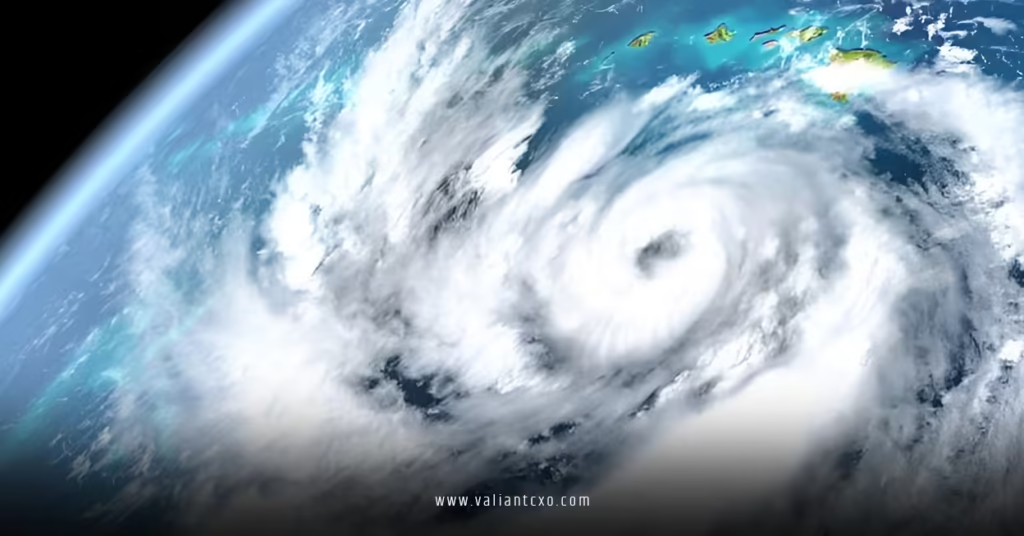
- Hurricanes may run below average in number this season, but individual storms hit harder thanks to warmer waters.
These events link directly to how climate change is affecting Earth’s weather patterns in 2026. Warmer air holds more moisture. Oceans feed storms extra energy. The result? More chaos layered on natural variability like the emerging El Niño risks.
Why 2026 Demands Serious Preparation
NOAA and Climate Prediction Center outlooks point to continued extremes. A potentially below-normal Atlantic hurricane season (8-14 named storms) doesn’t mean low risk—any storm that forms carries more punch. Western heat waves and variable precipitation patterns are already on the radar.
The kicker? Past patterns no longer guarantee safety. What usually happens is complacency until the power goes out or water rises.
Regional Threats Across the US in 2026
Different parts of the country face unique punches:
- West and Southwest: Prolonged drought, record fire weather, smoke-filled skies.
- Central and Midwest: Tornado outbreaks, severe thunderstorms, hail damage.
- Gulf Coast and Southeast: Flooding from tropical moisture, storm surge risks.
- Northeast and Midwest winters: Ice storms, snow, extreme cold snaps that strain infrastructure.
El Niño possibilities later in 2026 could flip some patterns toward drier west and wetter south.
| Extreme Weather Type | Key 2026 Risks | Preparation Priority | Estimated Impact Example |
|---|---|---|---|
| Heat Waves | Longer duration, urban heat islands | Cooling centers, AC checks, hydration plans | Billions in health & energy costs |
| Flooding/Heavy Rain | Flash floods, river overflow | Elevation plans, sump pumps, insurance review | Infrastructure damage, displacement |
| Wildfires | Early season starts, wind-driven spread | Defensible space, evacuation kits | $60B+ events like 2025 LA fires |
| Severe Storms/Tornadoes | Hail, damaging winds | Safe rooms, vehicle protection | Widespread property losses |
| Winter Storms | Ice, snow, power outages | Winter kits, pipe insulation | Travel chaos, heating emergencies |
(Data drawn from NOAA, Climate Central, and Ready.gov trends.)
Step-by-Step Action Plan for Beginners
Don’t overthink it. Start here and build.
- Assess your risk: Visit Ready.gov or your local National Weather Service office. Know your flood zone, fire risk, or hurricane evacuation route.
- Build an emergency kit: One gallon of water per person per day for at least 3-7 days. Non-perishables. Flashlights, batteries, first-aid, medications, cash, and a battery-powered radio.
- Harden your home: Clean gutters. Trim trees. Insulate pipes for winter. Create defensible space around your house if in wildfire country. Install smoke detectors and CO alarms.
- Make a family plan: Designate meeting points. Teach kids what to do. Prepare pets. Sign up for local alerts via apps or NOAA Weather Radio.
- Review insurance and documents: Update flood or wildfire coverage. Store important papers in a waterproof container or cloud backup.
- Stay informed year-round: Follow monthly outlooks from the Climate Prediction Center. Prepare differently for each season—heat in summer, winter kits by fall.
What I’d do? Prioritize water, power backup (generator or solar charger), and evacuation plan first. Then layer in long-term fixes like better insulation.
Common Mistakes & How to Fix Them
Mistake 1: Waiting for a warning. Fix: Prepare in advance during quiet months. National Hurricane Preparedness Week was in May—use that mindset all year.
Mistake 2: Underestimating indirect effects. Fix: Stock extra supplies for supply chain disruptions. Have cash on hand when cards fail.
Mistake 3: Ignoring vulnerable family members. Fix: Plan specifically for elderly, kids, pets, or those with medical needs.
Mistake 4: Relying only on phones for alerts. Fix: Have multiple ways—radio, neighbors, community systems.
Another big one: Thinking “it won’t happen here.” History says otherwise.
Preparing for Extreme Weather in the US 2026: Building Long-Term Resilience
Short-term kits save lives. Long-term thinking reduces repeated pain.
Consider energy-efficient upgrades to handle heat and cold. Support community efforts for stronger infrastructure. Plant native vegetation that handles local conditions better.
For the big picture on drivers behind these events, read more on how climate change is affecting Earth’s weather patterns in 2026.
Check these high-authority resources: NOAA Hurricane Preparedness, FEMA Ready.gov, and National Weather Service Winter Safety.
Key Takeaways
- Extreme weather in 2026 builds on 2025’s costly lessons—23 billion-dollar events.
- Preparation beats reaction every single time.
- Regional differences matter—tailor plans to your area.
- Kits, plans, and home hardening form the foundation.
- Multiple alert methods prevent being caught off guard.
- Link your efforts to broader climate awareness.
- Small consistent actions compound into real protection.
- Stay flexible as patterns like El Niño evolve.
Preparing for extreme weather in the US 2026 gives you control when nature throws curveballs. It protects what matters most—your family, home, and peace of mind. Start with one step today: build or update your kit this weekend. Then expand from there. The forecasts are clear. Your readiness is up to you.
FAQs
What should my emergency kit include for preparing for extreme weather in the US 2026?
Water, non-perishables for several days, flashlight, radio, first-aid, medications, cash, and chargers. Tailor it for heat (extra water), cold (blankets), or storms (tarps).
How does knowing how climate change is affecting Earth’s weather patterns in 2026 help with preparation?
It explains why extremes are intensifying—more moisture in storms, longer heat waves—so you can prioritize relevant threats like flooding or fire season timing for your region.
When should I start preparing for extreme weather in the US 2026?
Right now. Build kits and plans before peak seasons. Review and refresh supplies every few months, especially ahead of hurricane or wildfire periods.