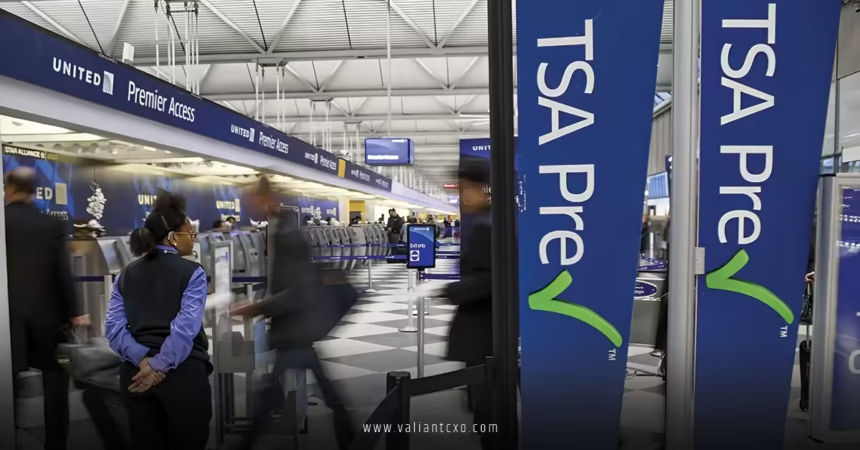
TSA PreCheck benefits during airport disruptions can be a real game-changer when chaos hits the terminals—like the frustrating JFK TSA wait times during government shutdown 2026. If you’ve ever stood in a snaking security line, shoes in hand and laptop out, while your flight boards without you, you know the stress. But what if you could skip most of that hassle even when staffing shortages turn airports into madhouses? That’s exactly where TSA PreCheck shines, offering a smarter, faster path through security no matter what’s throwing the system off balance.
Imagine breezing through with your shoes on, liquids tucked safely in your bag, and your electronics staying put. During normal days, it’s convenient. During disruptions—whether from government shutdowns, weather meltdowns, or holiday crowds—it’s practically a lifeline. Let’s break down why enrolling now could save your sanity (and maybe your trip) when things get unpredictable at the airport.
What Exactly Is TSA PreCheck and How Does It Work?
TSA PreCheck is a trusted traveler program run by the Transportation Security Administration. It lets pre-approved, low-risk passengers enjoy expedited screening at over 200 participating U.S. airports. Once you’re in, you get a Known Traveler Number (KTN) that you add to your airline reservations. Your boarding pass then shows the magic “TSA Pre✓” indicator, directing you to dedicated lanes.
In those lanes, you typically keep on your shoes, belt, and light jacket. You leave your 3-1-1 liquids bag and laptop inside your carry-on. No more frantic unpacking or juggling. The screening is still thorough—security remains priority one—but it’s designed to move faster for vetted folks.
Over 20 million Americans are already enrolled, and the program keeps growing because it delivers real time savings. On a good day, most PreCheck passengers wait less than 10 minutes. That’s huge when regular lines stretch 30, 60, or even 90+ minutes.
Why TSA PreCheck Benefits During Airport Disruptions Matter More Than Ever
Airport disruptions come in all shapes: staff shortages, bad weather, mechanical issues, or yes—partial government shutdowns like the one impacting operations in 2026. When TSA officers work without timely pay, call-outs rise, and fewer lanes open. Regular security lines balloon, but PreCheck often holds up better.
Even amid the current challenges, TSA PreCheck lanes remain operational across most airports. Experts consistently say it still helps cut wait times significantly compared to standard screening. You might not get the usual lightning-fast experience every single time—some dedicated lanes have closed temporarily at busy spots due to staffing—but PreCheck passengers generally move quicker than everyone else funneling into the main queues.
Think of it like having an express pass at a theme park during peak season. The rides are the same, but your line is shorter. During the JFK TSA wait times during government shutdown 2026, travelers without PreCheck have reported waits pushing an hour or more, while those with it often shave off critical minutes. It’s not a total shield against chaos, but it stacks the odds in your favor.
Key TSA PreCheck Benefits That Shine Brightest in Disruptions
Here’s what you actually gain when the airport turns unpredictable:
- Shorter, More Predictable Lines — Dedicated lanes mean you avoid the masses. Even if PreCheck waits creep up during heavy disruptions, they rarely match the horror stories from regular lines.
- Less Hassle with Your Belongings — Keep shoes, belts, jackets, laptops, and liquids in your bag. Less time undressing and repacking equals less stress when you’re already running late.
- Family Perks — Kids 17 and under can join your PreCheck lane for free when traveling with an enrolled adult. Perfect for stressed-out parents during spring break or holiday rushes.
- Consistency Across Airports — Available at major hubs including JFK, LAX, ORD, ATL, and hundreds more. Once you’re approved, it works nationwide for domestic flights.
- Peace of Mind — In uncertain times, knowing you have a faster option reduces anxiety. You can focus on your trip instead of sweating the security checkpoint.
Travel experts and frequent flyers agree: during disruptions like the ongoing 2026 shutdown, PreCheck is one of the smartest tools in your kit. It won’t eliminate every delay, but it consistently outperforms the alternative.
Real-World Performance During Government Shutdowns and Other Disruptions
Past shutdowns and the current 2026 situation show a clear pattern. When staffing dips, standard lines suffer the most. PreCheck lanes stay open in the vast majority of cases, though TSA evaluates operations airport-by-airport. At some busy terminals, PreCheck might merge with regular lines temporarily, but even then, the streamlined process helps.
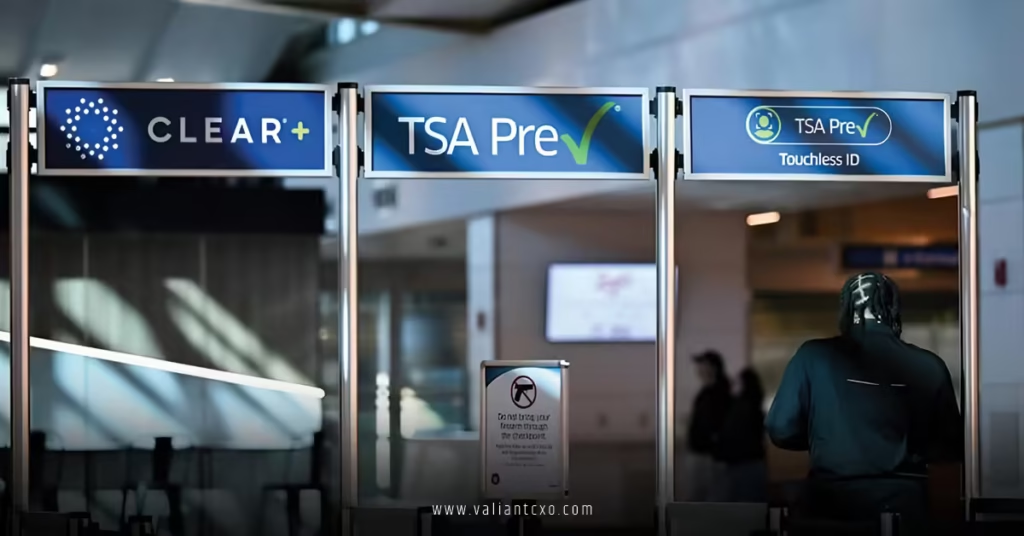
Travelers at places like JFK have noted that while nothing is guaranteed, PreCheck still delivered noticeably shorter experiences than the general chaos. Pair it with CLEAR (the biometric ID service) for an even smoother start—CLEAR gets you to the front of the PreCheck line quickly.
The bottom line? Disruptions amplify the value of PreCheck. What feels like a nice-to-have on quiet Tuesdays becomes essential when thousands of frustrated passengers crowd the checkpoints.
How to Enroll in TSA PreCheck – Step-by-Step Guide
Getting approved is easier than you might think and takes about 5 minutes to start online.
- Apply Online — Visit the official TSA PreCheck site or one of the authorized providers (CLEAR, IDEMIA, or Telos). Fill out the short application with your info.
- Pay the Fee — Costs range from about $77 to $85 for five years, depending on the provider. Some credit cards reimburse the fee—check yours!
- Schedule Your Appointment — Choose from over 1,300 enrollment centers at airports, offices, or even stores like CVS or Staples. Walk-ins are often available.
- Bring Your Documents — You’ll need proof of identity, citizenship or lawful permanent residency, and other required IDs.
- Complete the Background Check and Interview — A quick in-person visit seals the deal. Approval usually comes within days to a few weeks (sometimes faster).
Once you have your KTN, add it to every airline profile and booking. Renewals are simpler and often cheaper if done online.
Pro tip: If you travel even a few times a year, the investment pays for itself quickly in saved time and reduced stress—especially during disruptions.
Combining TSA PreCheck with Other Tools for Maximum Protection
For ultimate speed during airport disruptions, layer PreCheck with CLEAR. CLEAR uses biometrics (fingerprints or iris scans) to verify your identity instantly, skipping the document check and getting you straight into the PreCheck lane.
Global Entry or NEXUS members often get PreCheck included automatically. If you’re an international traveler, that combo is gold.
During events like the JFK TSA wait times during government shutdown 2026, these extras can mean the difference between making your flight and missing it.
Is TSA PreCheck Worth It in 2026? Absolutely, Especially Now
If you fly more than twice a year, the answer is a resounding yes. The $85 (or less) fee breaks down to pennies per day over five years. Add in the frustration savings during unpredictable times, and it’s a no-brainer.
Even frequent flyers who hesitated before are signing up amid the current shutdown chaos. Once normal operations return, you’ll continue reaping the rewards for years.
Practical Tips to Maximize TSA PreCheck Benefits During Disruptions
- Add your KTN to every booking well in advance.
- Check airport apps or websites for real-time lane status before you leave home.
- Arrive early anyway—disruptions can still affect everything.
- Pack smart so you glide through even faster.
- Monitor your airline for any updates on security flow.
If you’re heading to busy spots like JFK right now, PreCheck gives you a fighting chance against those extended JFK TSA wait times during government shutdown 2026.
Conclusion
TSA PreCheck benefits during airport disruptions deliver real relief when security lines turn nightmarish. From keeping your shoes on and laptop in your bag to accessing faster dedicated lanes, it consistently helps you reclaim time and reduce stress—even during challenging periods like government shutdowns. While it’s not magic and some variability exists, the advantages far outweigh the small cost for most travelers.
Don’t wait for the next disruption to bite. Enroll today and fly with more confidence tomorrow. Your future self (and your blood pressure) will thank you. Safe travels!
Here are three high-authority resources:
- TSA Official PreCheck Page
- Department of Homeland Security Travel Updates
- Airports Council International Travel Tips
FAQs
How much do TSA PreCheck benefits help during major airport disruptions like government shutdowns?
They can significantly shorten your security wait compared to regular lines, often keeping times under 15-20 minutes even when standard screening stretches much longer. However, expect some variability if dedicated lanes close temporarily.
Does TSA PreCheck still work fully during the 2026 government shutdown?
Yes, PreCheck lanes remain operational at most airports. TSA has confirmed it stays available, though staffing shortages may cause occasional adjustments or merged lines at the busiest locations.
Can children use TSA PreCheck benefits with a parent during disruptions?
Absolutely—kids 17 and under can accompany an enrolled adult in the PreCheck lane for free, making family travel much less stressful when lines are long.
Is it worth enrolling in TSA PreCheck right now if I only fly a couple times a year?
For most people, yes. The time and hassle saved during even one major disruption, plus the convenience on normal trips, quickly makes the five-year membership pay off.
How do I add TSA PreCheck to my booking to enjoy the benefits?
Enter your Known Traveler Number in the KTN field when booking or managing your reservation with the airline. Double-check that your name and date of birth match exactly what you used during enrollment.