EV Fleet Charging Cost Guide 2026 breaks down exactly what operators pay to electrify their depots, yards, and operations this year. Forget vague estimates. This guide delivers real numbers, breakdowns, and tactics that actually move the needle on ROI for US fleets right now.
The shift to electric fleets isn’t cheap upfront. But smart planning turns those dollars into serious savings on fuel, maintenance, and downtime. Here’s the thing: depot charging dominates the economics because you control when and how vehicles juice up.
- Typical installed costs: Level 2 ports run $3,000–$16,000 each. DC fast chargers land between $45,000–$250,000+ per unit.
- Biggest hidden hit: Grid upgrades and demand charges can double your budget if ignored.
- Payback window: Often 3–5 years with incentives, lower energy costs, and optimized software.
- 2026 reality: Section 30C credits still apply for projects operational by June 30—grab them while they last.
- Per-mile advantage: Electricity at depots hits $0.03–$0.05 versus diesel’s $0.17+.
Ready to run the numbers on your fleet?
Why Fleet Charging Costs Matter in 2026
Fuel savings grab headlines, yet infrastructure often decides if the switch pencils out. Return-to-base operations win big here. Vehicles park for hours, letting you charge cheap at night and avoid public rates that spike to $0.50/kWh on DC fast.
Grid strain adds pressure. Many US depots sit on aging infrastructure. Upgrades eat budgets fast. Yet load management and smart scheduling slash demand charges 20-40%. That’s real money.
The kicker? Most fleets underestimate total project costs by 30-50%. Electrical work and permitting blindside them.
EV Fleet Charging Cost Breakdown 2026
Costs vary wildly by fleet size, location, and power needs. Expect these US averages:
| Charger Type | Power Level | Installed Cost per Unit/Port | Best For | Notes |
|---|---|---|---|---|
| Level 2 AC | 7-19 kW | $3,000 – $16,000 | Overnight depot charging | 1:1 ratio common for fleets |
| DC Fast (50-150 kW) | 50-150 kW | $45,000 – $150,000+ | Quick turnaround | Higher utilization needed |
| High-Power DC | 150-350 kW | $140,000 – $300,000+ | Buses, medium-duty | Major grid work likely |
| Full Depot (50 vehicles) | Mixed | $500K – $3M+ | Medium fleets | Includes upgrades & software |
Figures drawn from industry deployments and NREL-aligned data. Add 20-30% headroom for future growth.
Energy itself stays cheap. Depot rates often deliver $0.03–$0.05 per mile versus diesel’s higher variable costs. Software that shifts loads off-peak multiplies the win.
Pod EO Charging Acquisition Fleet Depot Solutions Angle
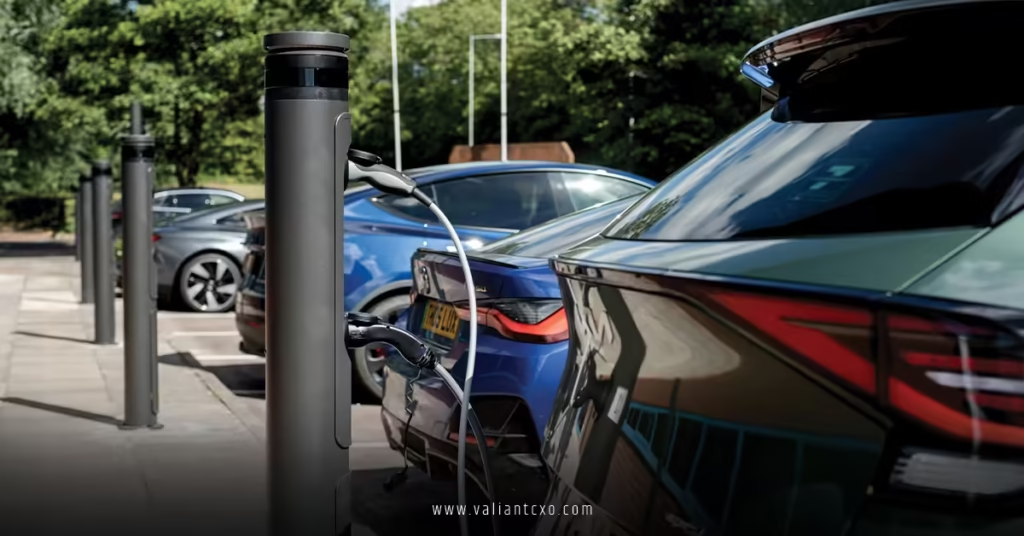
Looking for proven integrated platforms? Check out how Pod EO Charging acquisition fleet depot solutions combine hardware muscle with intelligent depot software. These setups shine for load balancing and energy flexibility—exactly what curbs those nasty demand charges.
Full Cost Layers Most People Miss
- Hardware: 40-60% of budget.
- Electrical Upgrades: Transformers, panels, trenching—can exceed hardware.
- Permitting & Labor: 10-20%. Varies by jurisdiction.
- Software & Management: $5K–$50K+ annually, but pays for itself fast.
- Ongoing: Electricity + maintenance. Far below diesel.
A medium fleet (20-50 vehicles) might drop $350K–$1.2M total. Per vehicle, figure $15K–$30K including everything.
Step-by-Step Action Plan to Control Costs
Here’s exactly what I’d do if auditing your operation today:
- Fleet Audit: Log mileage, dwell times, duty cycles. Size the energy need accurately.
- Site Assessment: Bring in an electrician early. Test existing capacity. Map upgrades.
- Charger Mix Design: Heavy on Level 2 for overnight. Sprinkle DC for flexibility. Add 25% buffer.
- Load Management: Mandate dynamic balancing. Avoid peak penalties.
- Incentives Hunt: File for 30C (up to 30% or $100K per item if prevailing wage met). Check state/utility programs. Act before mid-2026 deadlines.
- Vendor Selection: Prioritize integrated solutions with strong analytics. Compare total cost of ownership, not just sticker price.
- Phased Rollout: Start with a pilot. Measure. Scale.
- Monitor Religiously: Use dashboards to tweak schedules weekly.
Do this sequence and you sidestep the usual budget blowouts.
ROI and Savings Breakdown
Real talk: TCO often beats diesel within 3-5 years. Fuel savings alone deliver 60-75% reductions. Maintenance drops 40-60% with fewer moving parts.
Demand charges hurt most without smart tools. Battery storage or vehicle-to-grid features can flip your depot into a revenue source in some markets.
Common Mistakes & How to Fix Them
- Under-sizing electrical service: Breakers trip or costs explode later. Fix it with professional load studies upfront.
- Buying hardware in isolation: No software means wasted energy. Fix: Demand OCPP-compliant systems with scheduling.
- Ignoring incentives timing: Miss the June 30 window. Fix: Build projects around deadlines.
- One-size-fits-all charging: Overpaying for unnecessary DC speed. Fix: Match power to actual dwell times.
- No scalability plan: Outgrow your setup in 18 months. Fix: Modular designs from day one.
In my experience, the fleets that treat charging as core operations—not a side project—crush the economics.
Regional Cost Variations Across the US
California and Northeast grids command higher upgrade costs but offer fat rebates. Midwest and South often see cheaper electricity but fewer incentives. Always check local utility make-ready programs—they can cover big chunks of infrastructure.
US Department of Energy AFDC for incentives and data gives the clearest national picture. Pair it with your utility’s fleet program page for tailored support.
Key Takeaways
- EV Fleet Charging Cost Guide 2026 shows depot-focused builds deliver the strongest returns for most operators.
- Level 2 dominates overnight needs and keeps costs manageable.
- Grid upgrades represent the single largest risk—plan them early.
- Incentives like Section 30C still cut 30% off qualifying projects through mid-2026.
- Smart software turns potential expenses into operational advantages.
- Pilot small, measure everything, then expand confidently.
- Per-mile electricity costs destroy diesel when optimized.
- Total ownership math favors EVs when you control the full picture.
Electric fleets win on cost when infrastructure gets the attention it deserves. Don’t wing the numbers. Audit your operation this quarter, line up incentives, and talk to experienced integrators. The operators moving decisively in 2026 lock in the biggest advantages.
FAQs
How much does a full EV fleet depot cost in 2026?
Small setups start around $75K–$350K while medium fleets (15-50 vehicles) typically run $350K–$1.2M including all upgrades and chargers.
What incentives reduce EV fleet charging costs this year?
Federal Section 30C offers up to 30% credit (capped at $100K per item for businesses meeting requirements) for projects operational by June 30, 2026, plus state and utility programs.
Does Pod EO Charging acquisition fleet depot solutions affect US fleet costs?
The combined platform brings stronger energy management and depot optimization tools that help lower long-term operating expenses through better load balancing and flexibility.