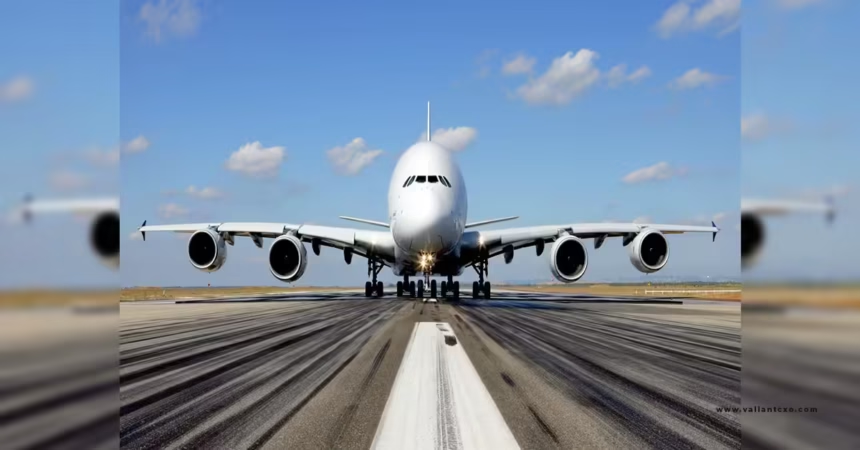
Airbus A380 future in commercial aviation looked bleak just a few years back — production ended, airlines parked jets in the desert, and pundits wrote the type’s obituary more than once. Fast forward to 2026, and the story has flipped. Emirates alone is pushing its active A380 fleet toward 110 aircraft by year’s end, and roughly 190 of these superjumbos are still flying passengers worldwide right now.
Quick facts you need to know:
- Airbus stopped building new A380s in 2021, but around 190 remain in active commercial service in 2026.
- Emirates is expanding its operational A380 fleet from roughly 85–96 jets to about 110 by the end of 2026 — reversing earlier retirement plans.
- The main driver: delays to next-gen widebodies like the Boeing 777X, leaving airlines short on big-capacity aircraft.
- Not every operator is bullish — British Airways is trimming A380 routes to expand business-class capacity elsewhere.
- A handful of carriers, including major names like Singapore Airlines, Qantas, and Lufthansa, still run double-digit A380 fleets.
Here’s the irony nobody saw coming: the plane Airbus killed off is having its best decade yet.
The Comeback Nobody Predicted
Airbus built the A380 for a hub-and-spoke world — mega-airports funneling huge passenger loads onto one jet. Airlines, especially US carriers, mostly preferred smaller, more flexible twin-engine jets instead. Production ended after barely 250 deliveries.
Then reality got messy. Boeing’s 777X program slipped year after year, and airlines that had planned to replace their A380s simply couldn’t get the replacement jets on schedule. What usually happens when a next-gen aircraft runs late is simple — operators squeeze more life out of the old workhorse instead of grounding it.
That’s exactly what’s playing out. Emirates president Tim Clark has been blunt about it: the 777X delay is the single biggest reason the A380 is staying airborne longer than anyone expected.
Airbus A380 Future in Commercial Aviation: Who’s Actually Flying It
Not every carrier shares Emirates’ enthusiasm, but a solid core of legacy airlines are keeping the superjumbo busy on long-haul trunk routes.
| Airline | Active A380s (2026) | Strategy |
|---|---|---|
| Emirates | ~85–110 (expanding) | Growing fleet, $5B retrofit of interiors |
| British Airways | 12 | Trimming routes to grow business class |
| Singapore Airlines | 12 | Steady, premium long-haul workhorse |
| Qantas | 10 | Key for Australia–Europe/US routes |
| Etihad Airways | 9 | Selective high-demand routes |
| Lufthansa | 8 | Reactivated stored jets amid demand |
| Qatar Airways | 8 | Supplementary widebody capacity |
| Asiana Airlines | 6 | Smaller regional role |
| Korean Air | 5 | Limited long-haul use |
| All Nippon Airways | 3 | Niche, high-density routes |
Source: carrier fleet data compiled in industry reporting
Why Airlines Are Rethinking the Airbus A380’s Future in Commercial Aviation
Three forces are converging, and none of them were on Airbus’s bingo card when it ended production.
- Widebody delivery delays. The 777X, A350 freighter conversions, and other next-gen types are all behind schedule industry-wide.
- Airport slot scarcity. At congested hubs like Heathrow, JFK, and Dubai, one A380 flight does the job of two smaller jets — without needing an extra slot.
- Passenger demand recovery. Post-pandemic long-haul travel bounced back harder than capacity did, and airlines needed seats fast.
In my experience watching fleet planning cycles, this is a textbook case of “the backup plan becomes the plan.” Nobody wanted to depend on 15-year-old aircraft long-term — but when the alternative is flying half-empty smaller jets or turning away bookings, the math changes fast.
Not Every Carrier Is Betting on the A380
It’s worth being honest here — this isn’t a unanimous industry pivot. British Airways is cutting A380 service on seven routes specifically to build out what it’s calling the world’s largest business-class cabin on other aircraft types. That’s a deliberate bet that premium cabin revenue beats raw seat count.
And this is where the superjumbo’s story connects to a cautionary tale. Not every A380 bet pays off — look at what happened with the Global Airlines A380 startup liquidation order 2026, where a UK startup tried building an entire airline brand around a single secondhand A380 and ended up in compulsory liquidation after the aircraft sat grounded in storage for over a year. Flying a superjumbo profitably takes scale, maintenance capital, and route density that a brand-new entrant simply didn’t have.
Step-by-Step: How Airlines Decide Whether to Keep Flying the A380
If you’re trying to understand the decision-making behind these fleet calls, here’s roughly how airline network planners approach it:
- Assess route demand density — Does a route generate enough passengers to fill 400+ seats regularly?
- Check slot constraints — Is the destination airport capacity-limited, making bigger jets more valuable per slot?
- Price out maintenance — A380 heavy checks are expensive; airlines model remaining airframe life against those costs.
- Compare replacement timelines — If the 777X or A350 isn’t arriving soon, extending A380 life fills the gap.
- Evaluate cabin economics — Does the aircraft support enough premium seating to justify operating costs?
- Decide: retrofit, retire, or expand — Emirates chose retrofit-and-expand; others are quietly scaling back.
Common Mistakes People Make Discussing the A380’s Future
Mistake #1: Assuming “production ended” means “retirement is coming.” Fix: These are separate questions. Airbus stopped building new ones in 2021, but operational lifespan can stretch decades with proper maintenance.
Mistake #2: Treating all A380 operators the same. Fix: Emirates is expanding aggressively; British Airways is cutting routes. Generalizing across the whole fleet gets you the wrong picture.
Mistake #3: Ignoring why startups struggle with this aircraft. Fix: The A380 rewards massive scale and route density — exactly what sank ventures like the one behind the Global Airlines A380 startup liquidation order 2026. A single aircraft can’t carry an entire airline’s fixed costs.
Mistake #4: Assuming demand alone keeps a jet flying. Fix: Demand matters, but slot economics, maintenance capital, and replacement aircraft availability matter just as much.
Where to Verify This Yourself
For primary data on current A380 operators and route networks, Airbus’s own aircraft program pages are a solid starting point. If you want deeper context on how fleet retirement and insolvency intersect — relevant given cases like the Global Airlines A380 startup liquidation order 2026 — the UK government’s official insolvency guidance explains how these processes legally unfold. And for broader aviation market trend data, Aviation Week’s air transport coverage tracks fleet and delivery numbers closely.
Key Takeaways
- Airbus A380 future in commercial aviation looks stronger now than at any point since production ended in 2021.
- Emirates is expanding its active A380 fleet toward 110 aircraft by the end of 2026, reversing earlier retirement plans.
- Roughly 190 A380s remain in active passenger service worldwide in 2026.
- The 777X delivery delay is the single biggest reason legacy carriers are keeping A380s flying longer.
- Not every airline agrees — British Airways is cutting A380 routes to grow business-class capacity instead.
- Operating an A380 profitably demands massive scale, which is why smaller ventures, like the one behind the Global Airlines A380 startup liquidation order 2026, struggled badly.
- Route density, airport slot scarcity, and maintenance economics all drive the keep-or-retire decision.
So is the A380 making a permanent comeback, or just enjoying a long encore before the lights come up? Honestly, it’s probably both — a genuine extension of relevance for airlines with the scale to use it right, and a borrowed runway that eventually ends once the next generation of widebodies actually ships. If you’re tracking this space, watch Emirates’ retrofit rollout and the 777X delivery timeline closely — those two threads will decide how long this comeback really lasts.
FAQs
Is the Airbus A380 being phased out or expanded in 2026?
Both, depending on the airline. Emirates is actively expanding its A380 fleet toward 110 aircraft by the end of 2026, while British Airways is trimming A380 routes elsewhere. There’s no single industry-wide answer.
Why did Airbus stop making the A380 if demand is now rising again?
Airbus ended production in 2021 due to weak original sales and airlines favoring more fuel-efficient twin-engine widebodies. The current demand boost comes from delayed replacement aircraft, not a change in Airbus’s manufacturing plans.
What does the Global Airlines A380 startup liquidation order 2026 reveal about the aircraft’s commercial viability?
It shows the A380 rewards scale operators, not small startups. A single aircraft without deep maintenance capital and dense route demand struggles to cover a superjumbo’s operating costs, which contributed to that company’s compulsory liquidation.