Leonid meteor shower 2026 peak times land on the night of November 16 into the early morning hours of November 17, with NASA pointing to November 17 and 18 as the best actual viewing windows. That’s the headline. The rest is just details — but the details matter, because timing is everything with meteor showers. Miss the window by a few hours and you’re staring at an empty sky wondering what the fuss was about.
Quick summary before we dig in:
- Peak night: November 16–17, 2026, with the International Meteor Organization pegging the technical peak for November 17.
- Best viewing hours: After midnight, specifically the pre-dawn hours of November 17 and 18, once the Moon sets.
- Expected rate: Around 15 meteors per hour under ideal dark-sky conditions, per NASA.
- Moon conditions: Roughly 41% illuminated, reaching first quarter the day after peak — manageable, not perfect.
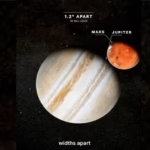
- Bonus: The radiant sits in Leo, the same patch of sky hosting the Mars and Jupiter close approach November 2026 viewing times — so you can combine both shows in one outing.
Let’s get into why this shower behaves the way it does, and how to not waste your sleep chasing it.
Where the Leonids Come From
Here’s the backstory in plain terms. Every November, Earth plows through a trail of dust and debris left behind by Comet Tempel-Tuttle. That comet swings through the inner solar system roughly every 33 years, shedding grit the whole way. We don’t need the comet nearby — we just need to cross its old path, and we do that reliably every autumn.
The debris burns up in our atmosphere at blistering speeds, around 44 miles per second. That’s faster than almost any other annual shower, which is why Leonids tend to leave bright, fast streaks rather than slow lazy ones. Occasionally, when Earth hits a denser clump of debris, the Leonids erupt into a full-blown meteor storm — thousands per hour. That’s not expected in 2026, but it’s part of why this shower has a reputation that outsizes its usual modest rates.
Leonid Meteor Shower 2026 Peak Times by the Hour
Rates build gradually, peak sharply, then taper off. Here’s how the week shapes up.
| Date (2026) | Activity Level | Best Hours | Moon Impact |
|---|---|---|---|
| Nov 14–15 | Light, building | Late night to pre-dawn | Minimal |
| Nov 16 (night) | Rising sharply | 11 PM – 2 AM local | Low, moon sets early |
| Nov 17 (early AM) | Peak activity | 1 AM – 5:30 AM local | Moon sets, skies darken |
| Nov 17 (night) | Still strong | After midnight | Low |
| Nov 18 (early AM) | Secondary good night | 1 AM – 5:30 AM local | Favorable |
| Nov 19–22 | Tapering off | Pre-dawn | Minimal |
Leonid Meteor Shower 2026 Peak Times for US Time Zones
If you’re trying to pin this to your own clock, here’s roughly where things land:
| Time Zone | Best Window (Local) |
|---|---|
| Eastern | 1:00–5:30 AM, Nov 17 & 18 |
| Central | 12:00–4:30 AM, Nov 17 & 18 |
| Mountain | 11:00 PM–3:30 AM |
| Pacific | 10:00 PM–2:30 AM |
Adjust slightly for your exact latitude and local moonset time, but these ranges get you in the ballpark.
Why the Moon Matters More Than You’d Think
Here’s the thing a lot of beginners overlook: moonlight is the silent killer of meteor watching. A bright Moon washes out faint meteors the same way a streetlight ruins your view of the stars overhead. In 2026, the Moon sits around 41% illuminated during the Leonid peak, reaching first quarter the following day, according to skywatching coverage from Universe Today.
The saving grace is timing. The Moon sets well before the best pre-dawn hours, leaving a genuinely dark sky right when the radiant climbs highest. That’s not luck — it’s just how the calendar lined up this year. Translation: don’t skip this shower assuming moonlight ruins it. It mostly doesn’t, as long as you wait for that moonset.
Step-by-Step Action Plan for Beginners
If meteor watching is new to you, here’s exactly what I’d do, no overthinking required:
- Mark November 16–18 on your calendar, with the strongest focus on the pre-dawn hours of the 17th and 18th.
- Check your local moonset time the night before, so you know when the sky actually goes dark.
- Find a spot away from city lights. Even a short drive out of town dramatically boosts how many meteors you’ll catch.
- Dress warmer than you think you need to. November pre-dawn hours get cold fast, and you’ll be sitting still for a while.
- Lie back or recline. Looking straight up, not toward the radiant specifically, gives you the widest view of streaks.
- Give your eyes 15–20 minutes to adapt to darkness. No phone screen during this window — it resets your night vision.
- Watch for at least 45 minutes. Meteor showers come in bursts and lulls; a quick five-minute glance tells you nothing.
- Glance toward Leo for bonus context, since that’s also roughly where the Mars and Jupiter close approach November 2026 viewing times put those two planets this same week.
Common Mistakes & How to Fix Them
I’ve seen the same errors trip up new skywatchers year after year.
Mistake: Watching too early in the evening. The Leonid radiant doesn’t climb high until after midnight. Fix: push your viewing session into the post-midnight hours instead of giving up at 9 PM.
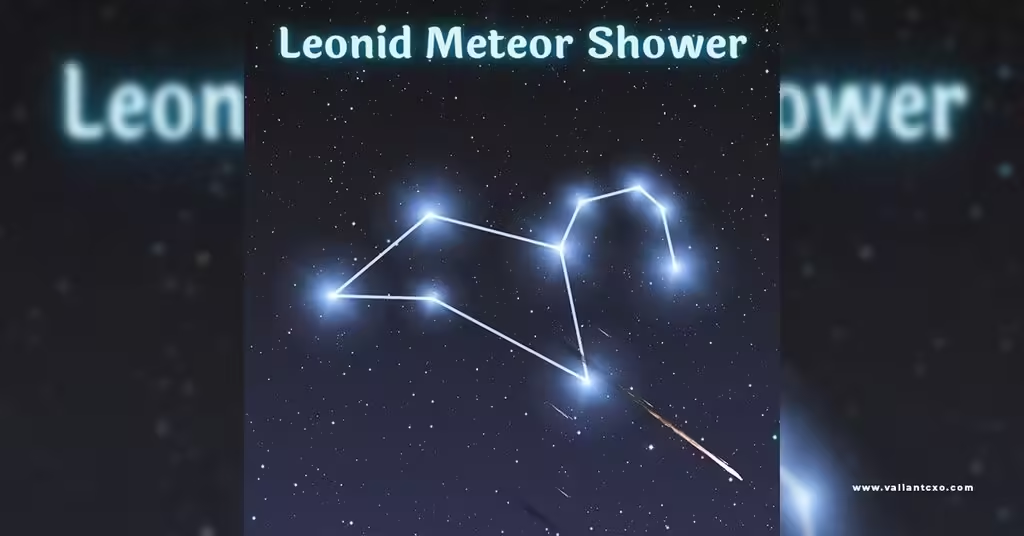
Mistake: Staring directly at the radiant point. Meteors near their origin point look short and stubby. Fix: look roughly 30–40 degrees away from Leo for longer, more dramatic streaks.
Mistake: Giving up after ten minutes. Meteor rates are inconsistent, lull then burst. Fix: commit to at least 45 minutes before calling it.
Mistake: Ignoring light pollution. Even a decent suburb can hide half the meteors you’d see from a rural field. Fix: use a light-pollution map and drive the extra twenty minutes if you can.
Mistake: Forgetting the Moon’s schedule. Checking the shower date without checking moonset wastes a perfectly good peak night. Fix: always cross-reference moonrise/moonset for your exact location before heading out.
A Packed Sky Week: Leonids Meet a Planetary Pairing
Here’s a detail worth savoring. The Leonid radiant sits in Leo, and this same November, Mars and Jupiter are putting on their own close pairing practically next door in the sky. If you’re already outside chasing Leonid meteor shower 2026 peak times, you’re in perfect position to catch that planetary conjunction too — no extra effort, no extra alarm needed.
It’s a rare two-for-one. Plan your pre-dawn session around November 15–18, and you’ve essentially got a full celestial double feature: streaking meteors and a tight planetary pairing, both courtesy of the same patch of sky.
Key Takeaways
- Leonid meteor shower 2026 peak times fall on the night of November 16 into November 17, with NASA recommending the pre-dawn hours of November 17 and 18 as the sweet spot.
- Expect roughly 15 meteors per hour under dark, clear skies.
- The Moon is about 41% illuminated but sets before the best viewing hours, so darkness isn’t a major obstacle.
- No equipment needed — just your eyes, patience, and a dark location away from city lights.
- The radiant sits in Leo, the same region hosting this month’s close approach between Mars and Jupiter.
- Give any session at least 45 minutes; meteor activity comes in unpredictable bursts.
- Rural or suburban dark-sky spots dramatically outperform city viewing.
So here’s the real question: are you going to let a good alarm clock beat you, or are you going to actually see this? Pick a pre-dawn morning between the 16th and 18th, find some open sky, and give it the full 45 minutes. Between the meteors and the planetary show happening right alongside them, this is one of the better skywatching weeks of the whole year.
FAQs
What is the single best night for the Leonid meteor shower 2026 peak times?
The pre-dawn hours of November 17, after the Moon sets, give you the strongest combination of peak activity and dark skies. November 18 is a solid backup if clouds interfere.
Do I need to look exactly at Leo to see Leonid meteors?
No. Looking slightly away from the radiant, roughly 30 to 40 degrees off, actually shows longer, more visible streaks. Leo just marks where the meteors originate from, not where you should stare.
Can I see both the Leonids and the Mars-Jupiter pairing in the same session?
Yes, and it’s worth planning for. Since the Leonid radiant and the planetary pairing both sit near Leo this November, one pre-dawn outing covers both events without any extra effort.