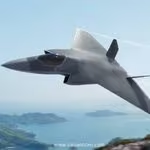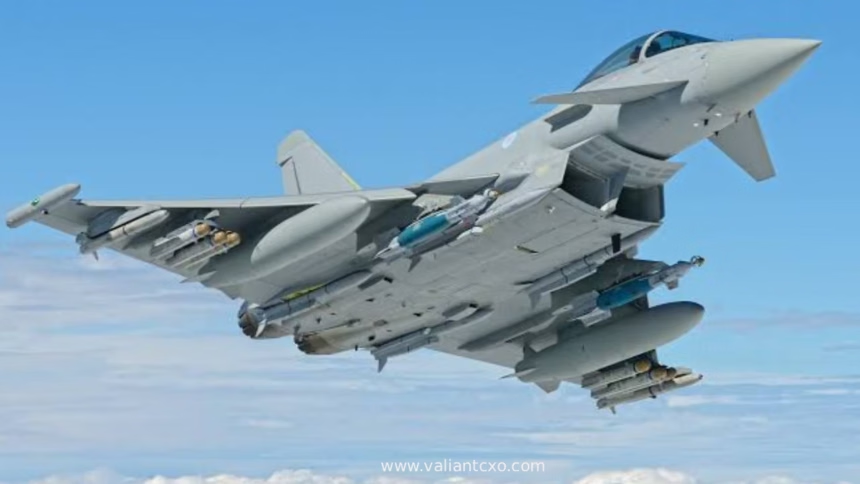
Eurofighter Typhoon retirement timeline UK Italy shows two parallel but distinct paths: the UK is winding down its oldest jets in 2027 while keeping the bulk of the fleet flying until at least 2040, and Italy is replacing its early Tranche 1 aircraft with new-build jets starting in 2029 while planning for decades more of service.
Here’s the snapshot as of late 2026:
- UK Tranche 1 aircraft (final four based in the Falklands) leave service in 2027.
- UK Tranche 2 and Tranche 3 jets—roughly 107 aircraft—are planned to remain operational until 2040.
- Italy is retiring its Tranche 1 fleet around 2029 and has ordered up to 24 new Typhoons for delivery from 2029 onward.
- Both nations continue heavy investment in upgrades so the type stays relevant well into the 2040s and, in some partner planning, toward 2060.
- The [Global Combat Air Programme 2035 in-service date update] remains the key long-term replacement driver for both air forces.
The Eurofighter Typhoon retirement timeline UK Italy matters because these jets still form the backbone of both nations’ combat air power. Misreading the dates creates false assumptions about force structure gaps or the urgency of sixth-generation programs.
UK Typhoon retirement timeline in detail
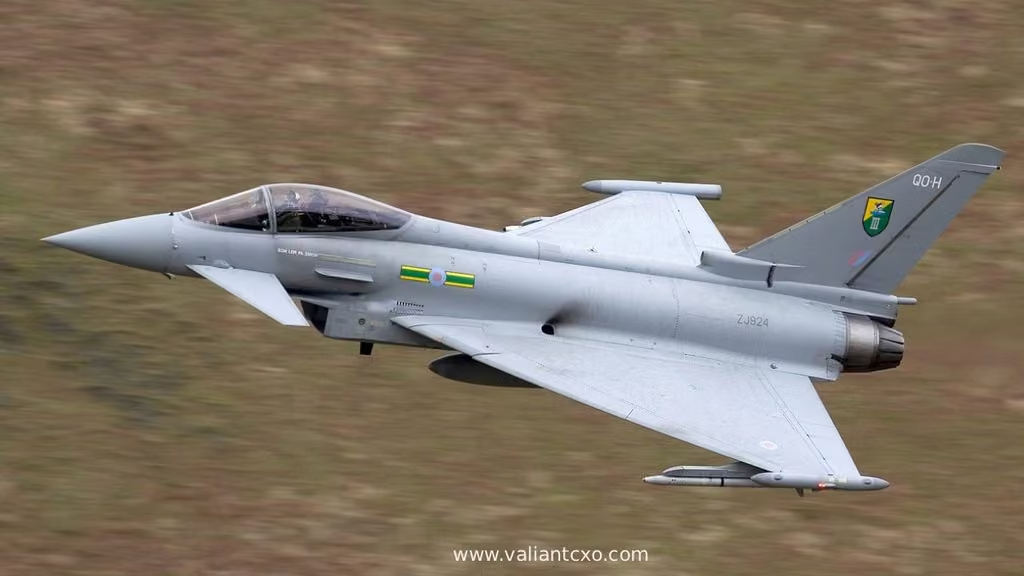
Eurofighter Typhoon retirement timeline UK Italy The RAF originally took 30 Tranche 1 aircraft. By mid-2025 most had already left service. Only four remained, based at RAF Mount Pleasant in the Falklands for quick-reaction alert duties. Those four will rotate home in late 2027 and be withdrawn from the Military Aviation Authority register. Many of the retired airframes have been stripped for spares under “reduce to produce” efforts that support the later fleet.
Tranche 2 (about 67 aircraft) and Tranche 3 (about 40 aircraft) make up the operational core. Official Ministry of Defence answers in 2025 confirmed planned out-of-service dates of 2040 for both. That does not mean a hard cliff in 2040. The UK is pouring money into radar upgrades (ECRS Mk2), defensive aids, weapons integration, and the longer-term Long Term Evolution package so the jets stay competitive until the Global Combat Air Programme aircraft begin arriving in meaningful numbers.
In my experience, these 2040 dates are planning assumptions rather than locked contracts. Budgets, threat assessments, and GCAP progress can all shift them. What is firm is that the RAF expects Typhoon to remain a primary combat aircraft through the 2030s.
Italian Air Force Typhoon plans
Italy operates a mix of Tranche 1, 2, and 3 aircraft. The oldest Tranche 1 jets are scheduled for retirement around 2029. In December 2024 Italy signed for up to 24 new aircraft (22 single-seat and two twin-seat) to replace them. First deliveries are expected in 2029. These new jets will arrive at a higher standard—likely P3Ec or moving toward P4E—with improved sensors, defensive systems, and weapons capacity.
Leonardo and Italian defence planning documents describe the new airframes as capable of service “well beyond 2060.” At the same time, Italy is a core partner in GCAP and has allocated substantial funding for the sixth-generation program through the 2030s. The practical result is a phased transition: new Typhoons sustain numbers and capability while GCAP matures.
Eurofighter Typhoon retirement timeline UK Italy has not published a single hard retirement date for the entire Typhoon fleet the way the UK has for Tranche 2/3. Instead it is managing a rolling modernization that keeps the type relevant while the next generation is developed.
Comparison table: UK vs Italy Typhoon timelines
| Aspect | United Kingdom | Italy |
|---|---|---|
| Tranche 1 retirement | Final 4 in 2027 | Around 2029 |
| Current main fleet | ~107 Tranche 2 & 3 | Mix of remaining Tranche 1–3 + new orders |
| Planned main fleet OSD | 2040 | No single date; new jets beyond 2060 |
| New-build orders recently | None for RAF | Up to 24 (deliveries from 2029) |
| Key upgrade focus | ECRS Mk2 radar, LTE | Higher-standard new airframes + P4E path |
| Link to GCAP | Primary replacement from mid-2030s | Parallel sustainment + eventual replacement |
Step-by-step action plan for tracking the Eurofighter Typhoon retirement timeline UK Italy
- Check official parliamentary answers and defence ministry statements first. UK out-of-service dates come from written answers; Italian plans appear in multi-year defence programming documents.
- Separate Tranche 1 from later aircraft. The early jets are already leaving or scheduled to leave soon. The bulk of combat mass sits in Tranche 2/3 and new builds.
- Watch upgrade contract announcements. Radar and mission-system work tells you how seriously each nation intends to keep the type competitive past 2035.
- Cross-reference with GCAP milestones. Any slip or acceleration in the [Global Combat Air Programme 2035 in-service date update] directly affects how long Typhoon must carry the load.
- Monitor spare-parts and industrial sustainment news. “Reduce to produce” programs and Long Term Evolution funding are leading indicators of true service life.
Common mistakes and how to fix them
Mistake one: treating “2040” as a hard cliff for the entire UK fleet. Only the later tranches carry that planning date, and upgrades can extend relevance. Fix: always specify tranche when discussing retirement.
Mistake two: assuming Italy is simply running its current fleet to the same dates as the UK. Italy is buying new airframes precisely to refresh the force. Fix: track the 2029 delivery window for the new Italian jets separately.
Mistake three: ignoring the overlap with GCAP. Both countries expect Typhoon and the new sixth-generation aircraft to operate together for years. Fix: plan force structure around a mixed fleet rather than a clean hand-over.
Mistake four: confusing industrial production end dates with operational retirement. UK final assembly of new Typhoons has largely wound down, yet the in-service fleet still has 15-plus years ahead. Fix: keep production and operational timelines in separate columns.
Key Takeaways
- UK Tranche 1 Typhoons finish service in 2027; the main Tranche 2/3 fleet is planned to 2040.
- Italy retires its oldest jets around 2029 and replaces them with up to 24 new aircraft delivering from 2029.
- Both nations continue significant upgrade investment so Typhoon remains effective deep into the 2030s and beyond.
- The [Global Combat Air Programme 2035 in-service date update] is the formal long-term successor for both air forces, creating an expected period of mixed fleet operations.
- No single European-wide retirement date exists; national decisions drive the calendar.
- Industrial sustainment and radar/mission-system upgrades are the real levers that will determine exact out-of-service points.
- Force planners should assume Typhoon combat mass remains available through at least the mid-to-late 2030s in both countries.
The Eurofighter Typhoon retirement timeline UK Italy is not a sudden cliff. It is a managed draw-down of the oldest airframes paired with heavy investment in the rest of the fleet while GCAP matures. For anyone modelling European combat air power over the next 15 years, the practical takeaway is straightforward: Typhoon stays a first-line asset far longer than many casual observers assume. Track the 2027 UK Tranche 1 exit, the 2029 Italian new-build arrivals, and the continuing upgrade contracts—those are the real markers that will shape the transition.
FAQs
What is the current Eurofighter Typhoon retirement timeline UK Italy for the oldest jets?
UK Tranche 1 aircraft leave service in 2027. Italian Tranche 1 aircraft are scheduled for retirement around 2029 and will be replaced by new-build jets.
Will UK Typhoons still be flying when GCAP enters service?
Yes. The main UK Tranche 2 and 3 fleet is planned to remain in service until 2040, creating an overlap with the Global Combat Air Programme aircraft expected from 2035.
Is Italy extending its Typhoon fleet beyond the UK’s 2040 planning date?
Italy has ordered new airframes intended for service well beyond 2060 under Long Term Evolution planning, while still participating fully in GCAP as the eventual successor.