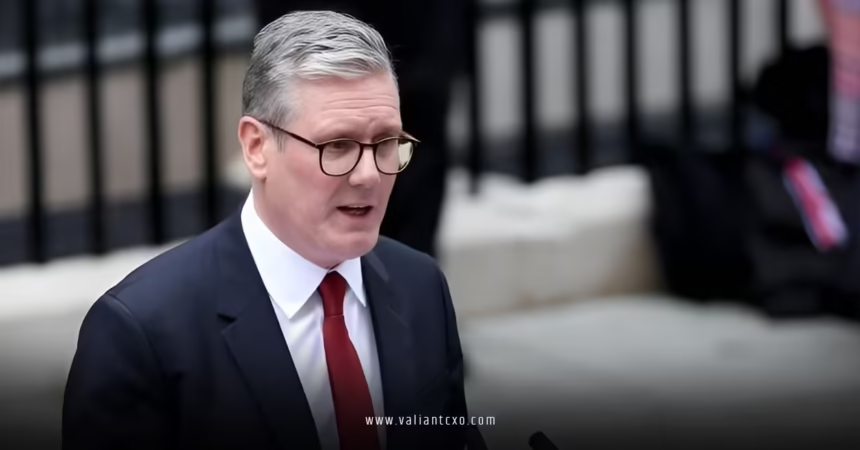
Labour Leadership Transition 2026 is unfolding at breakneck speed. Keir Starmer resigned as Labour leader and Prime Minister on June 22, 2026, clearing the path for Andy Burnham to step into the top job.
- What happened: Mounting dissatisfaction with Starmer’s government, poor local election results, and Burnham’s strong by-election win in Makerfield forced the change.
- Why it matters: Britain could see its seventh prime minister in a decade, with Burnham promising a more energetic, regionally focused approach.
- Timeline: Nominations open July 9 and close July 16. Burnham looks set for a swift coronation as PM around July 17.
- Key players: Burnham leads the charge, with figures like Wes Streeting backing him and speculation swirling around cabinet roles.
- For observers: This shift highlights how quickly UK politics can pivot when popularity wanes.
The process feels less like a contested battle and more like a necessary reset. Starmer’s exit after less than two years in No. 10 underscores the brutal reality of governing in tough times.
What Triggered the Labour Leadership Transition 2026
Starmer’s government faced heat over the economy, immigration, and delivery on 2024 manifesto promises. Local election setbacks in May 2026 amplified calls for change. Andy Burnham’s entry into Parliament via the Makerfield by-election acted as the spark.
Burnham distanced himself somewhat from Starmer while staying loyal enough to avoid chaos. The result? An orderly transition rather than a messy civil war.
Here’s the thing: Voters rewarded Burnham’s track record as Greater Manchester Mayor. He delivers tangible wins on transport, housing, and devolution—exactly what many feel Westminster lacks.
Key Figures and Potential Cabinet Shape
Andy Burnham sits at the center. His style—direct, optimistic, people-focused—contrasts Starmer’s more reserved approach.
Potential cabinet highlights:
- Strong emphasis on experienced hands.
- Regional balance, with northern voices elevated.
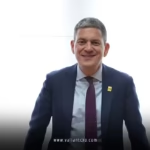
- David Miliband Andy Burnham cabinet speculation adds intrigue, with the former Foreign Secretary eyed for senior international roles alongside his brother Ed.
This link between experience and fresh leadership could define the new era. Other names like Lucy Powell and Steve Reed are rallying behind a smooth handover.
| Aspect | Starmer Era | Burnham Outlook |
|---|---|---|
| Leadership Style | Methodical, legalistic | Energetic, communicative |
| Economic Focus | Stability first | Growth + cost-of-living relief |
| Regional Power | Centralized | Devolution push |
| Cabinet Building | Westminster insiders | Mix of veterans and regional talent |
| Public Popularity | Declining | High as mayor, rising nationally |
Numbers don’t lie—Burnham polls better than Starmer did in recent months. In my experience, leaders who connect on a personal level stabilize parties faster.
Step-by-Step: How the Labour Leadership Transition 2026 Works
Beginners, pay attention. UK party leadership changes follow clear rules.
- Trigger: Leader resigns or faces a formal challenge (20% MP nominations needed). Starmer chose the former.
- Nominations: NEC sets dates—here, July 9-16. MPs, unions, and members weigh in.
- Campaign: Short window for hustings if contested. Burnham’s path looks uncontested.
- Vote and Coronation: Electoral college decides. Winner becomes PM after King’s approval.
- Cabinet Formation: Immediate reshuffle. Expect quick announcements on key posts.
- Delivery: First 100 days test real change—economy speech incoming.
What I’d do if advising: Keep it orderly. The public hates infighting. Focus on quick wins to build momentum.
Common Mistakes in Leadership Transitions (And Fixes)
Parties often botch these moments.
- Mistake: Dragging out uncertainty. Fix: Set and stick to a tight timeline, as Labour is doing.
- Mistake: Ignoring manifesto continuity. Burnham must deliver on 2024 promises while refreshing them.
- Mistake: Factional purges. Fix: Build a broad tent—veterans like those in David Miliband Andy Burnham cabinet talks help.
- Mistake: Over-promising regionally. Devolution sounds great but needs real Treasury buy-in.
- Mistake: Poor media handling. Burnham’s affable style should counter this.
Avoid these, and the transition strengthens rather than weakens the party.
Implications for UK Politics and Beyond
This Labour Leadership Transition 2026 marks another chapter in post-Brexit volatility. A Burnham premiership could mean bolder moves on housing, northern infrastructure, and international alliances.
For US watchers, it signals continuity in NATO and trade but with a more relatable face. The speed of change—weeks, not months—shows Westminster’s efficiency when pressure mounts.
Picture it like a football team swapping managers mid-season: same squad, new tactics, sudden energy injection. Success depends on execution.
Key Takeaways
- Starmer’s June 22 resignation kicked off the Labour Leadership Transition 2026.
- Andy Burnham is the overwhelming favorite, leveraging his Makerfield win and mayor popularity.
- Quick timeline aims for stability before summer recess.
- Cabinet speculation, including potential Miliband returns, points to experienced governance.
- Focus shifts to economy, devolution, and cost-of-living relief.
- Orderly process avoids damaging internal fights.
- Early tests will come in Burnham’s first major speeches and policy tweaks.
- Overall, this offers Labour a chance to reconnect with voters ahead of the next general election.
The main benefit? A leader who feels closer to everyday concerns could restore some trust in politics.
Watch Burnham’s upcoming economic address for clues on direction. Next step: Follow developments through trusted outlets like the BBC or Institute for Government for unfiltered analysis.
FAQs
How long will the Labour Leadership Transition 2026 take?
Nominations close July 16, with Burnham likely confirmed as leader and PM shortly after, potentially by July 17 if uncontested.
Will there be a full leadership contest in the Labour Leadership Transition 2026?
Unlikely. Wes Streeting and others are backing Burnham, pointing toward a swift, low-drama handover.
What role does Andy Burnham’s cabinet play in the Labour Leadership Transition 2026?
It will define his early premiership. Talks of bringing in figures like David Miliband signal a blend of fresh and seasoned talent.