
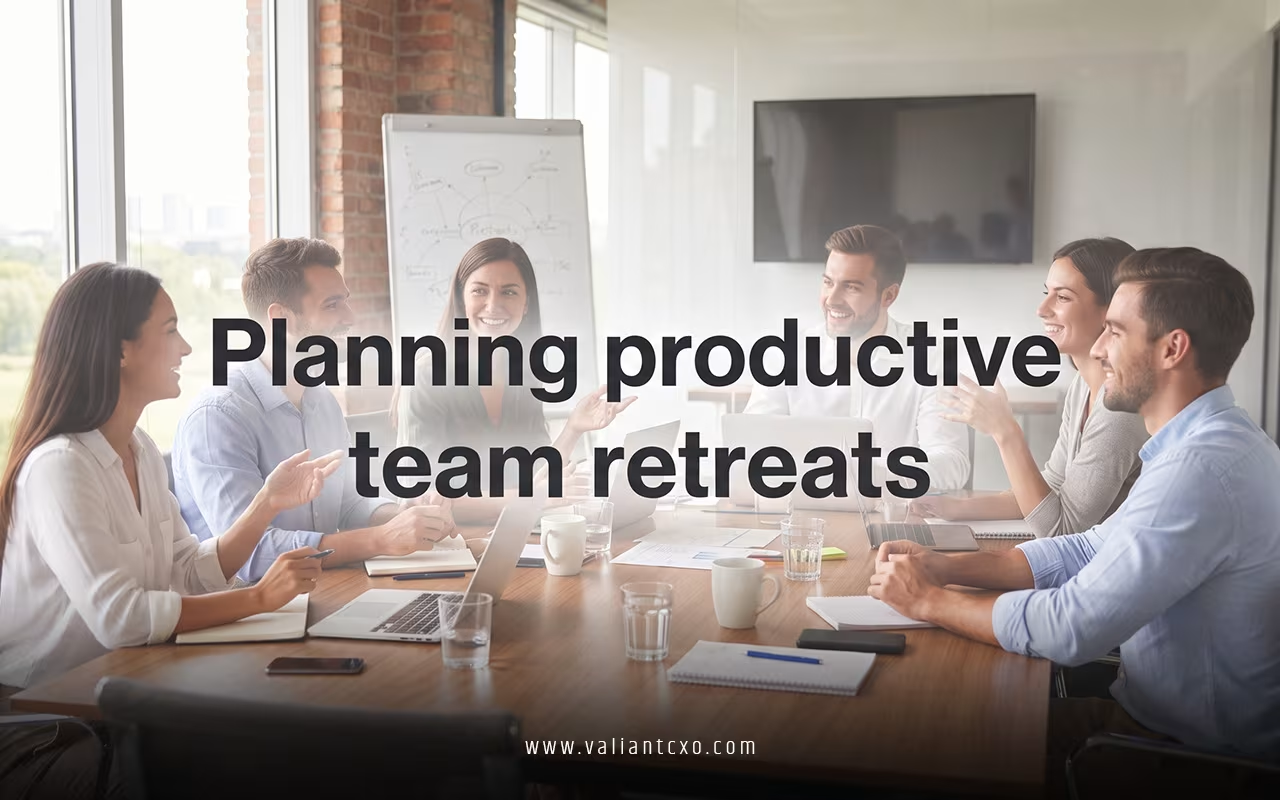
Planning productive team retreats starts with one simple truth most founders learn the hard way: your team cannot keep delivering at a high level if every day looks exactly the same. You push hard for results, deadlines stack up, and the spark that once made the group click begins to fade. A well-run retreat cuts through that cycle. It gives people space to think, talk, and reconnect without the usual office noise
In this article, we’re going to be taking a look at planning productive team retreats, and how you can turn a short getaway into real progress for your business. If you would like to find out more, feel free to read on.
Pic – CC0 License
Why a Retreat Beats Another Meeting
Meetings fill calendars. Retreats change how people work together. When you move the team out of their normal setting, conversations open up. Ideas that stay buried in daily tasks surface more easily. Trust grows because people share experiences outside the usual hierarchy.
You do not need a week-long extravaganza. Two or three days often deliver more value than a longer break. The goal is focus, not exhaustion. Choose a location that supports both work sessions and genuine downtime. Clear skies, open space, and a shared event can make the difference between a forgettable trip and one that sticks.
One strong option is to build the retreat around a rare natural event. The Best places to see the total solar eclipse August 12 2026 in Spain offer exactly that kind of shared moment. Northern Spain and the Balearic Islands sit in the path of totality. A short stay near Zaragoza, León, or Mallorca pairs practical travel with an unforgettable experience that no conference room can match.
Set Clear Goals Before You Book Anything
Start with purpose. Ask yourself what the team most needs right now. Is it better communication? Fresh strategy? Simply a chance to recharge after a heavy quarter? Write the answer down in one sentence. That sentence guides every later decision.
Share the goal with the group early. When people know why they are going, they arrive ready to contribute. Keep the agenda light. Plan two focused work blocks each day and leave the rest open. Free time is not wasted time. It is when the best informal conversations happen.
Limit the group size. Six to twelve people usually works best for deeper discussion. Larger groups need more structure and can lose the personal feel. If your whole company is bigger, rotate smaller teams or invite key cross-functional people only.
Choose the Right Location and Timing
Location shapes the whole experience. Look for places that are easy to reach yet feel different from the office. Good weather, open views, and quiet spaces matter more than luxury. Spain in mid-August offers reliable sunshine and the added draw of the eclipse for those who time the trip for August 12 2026.
Book early. Popular spots fill quickly around major events. Check transport links from major hubs so travel does not eat half the retreat. Once on site, make sure everyone has a clear western horizon if you plan to watch the eclipse together. Coastal or elevated spots work well.
Confirm the practical details: reliable Wi-Fi for any must-do calls, quiet meeting rooms, and outdoor areas for informal talks. A simple shared meal at the end of each day often produces more insight than a formal workshop.
Design a Simple, Useful Agenda
Keep the structure easy to follow. Morning: one focused session on a single business question. Afternoon: free time or a light group activity. Evening: optional shared meal and open conversation.
During work blocks, use clear formats. One popular approach is a short presentation of current challenges followed by small-group discussion and a quick group decision. Avoid long slide decks. People remember what they discuss more than what they sit through.
Build in one shared experience that has nothing to do with the business. Watching the total solar eclipse together is a powerful example. The brief darkness and the shared reaction create a memory that strengthens working relationships long after the trip ends.
Handle Logistics Without Drama
Assign one person to handle bookings and travel details. That person should not also run the content sessions. Separate roles keep both sides smooth.
Set a clear budget and stick to it. Share the numbers with the team so expectations stay realistic. Cover essentials: travel, accommodation, meals, and any activity fees. Leave room for small personal choices.
Prepare a short packing list and a simple daily schedule. Send both a week ahead. Include practical notes such as the need for certified eclipse glasses if you plan to view the August 12 event. Safety comes first.
On the day, start and end sessions on time. Protect the free blocks. When people feel the schedule is respected, they engage more fully.
Measure What Matters After You Return
A retreat only pays off if something changes back at work. Within a week of returning, hold a short follow-up. Ask three questions: What did we decide? What will we do differently? Who owns the next step?
Write the answers down and share them. Track the follow-through over the next month. The real measure of a productive retreat is not how much people enjoyed the trip. It is whether the team works better together afterward.
We hope that you have found this article enlightening in some way and that it helps you plan a retreat that actually moves your business forward. A short, well-designed break can reset energy, strengthen trust, and give everyone a clearer view of what matters next. Start with a clear purpose, keep the logistics simple, and leave space for the unexpected. Your team—and your results—will show the difference.