Seasonal marketing ideas for small businesses give you a practical way to boost sales without reinventing your entire strategy every few months. When you align promotions, offers, and messaging with what customers are already thinking about—holidays, weather changes, school breaks, or local events—you meet them where they are and make buying feel natural rather than forced.
One clear example right now is the free bus travel for children aged 5 to 15 England August 2026 scheme. Families suddenly have lower transport costs and more reason to leave the house. Businesses that notice this shift and respond quickly can capture extra footfall and spend. The same principle applies to almost every season: spot the temporary change in customer behaviour, then make it easy for people to choose you.
Why Seasonal Marketing Works for Small Businesses
Customers already plan their spending around seasons. Parents budget for summer activities, shoppers look for gifts in November and December, and people seek warm food or outdoor gear when the weather turns. By matching your marketing to these patterns, you reduce the hard sell. You simply become the obvious solution at the right moment.
Small businesses often have an advantage here. You can move faster than large chains. A café can launch a limited summer menu in days. A retailer can rearrange a window display overnight. Speed and local knowledge matter more than big budgets.
Use Real Events and Schemes as Triggers
Government or local initiatives create short windows of opportunity. The free bus travel for children aged 5 to 15 England August 2026 is a strong current example. Families save on fares and often redirect that money toward days out, food, and small treats. If your business sits near bus routes, parks, attractions, or town centres, this month offers a natural boost.
You can respond by:
- Creating simple “day-out” bundles or family deals
- Extending weekend or midweek hours if demand rises
- Sharing helpful local information (nearby free routes, parks, or activities) on your channels so customers see you as useful
The same approach works for other seasonal moments: school holidays, back-to-school periods, festive seasons, or weather-driven demand.
Practical Seasonal Marketing Ideas You Can Use
1. Create limited-time offers tied to the season
Keep them simple and clear. Examples include “kids eat free with a paying adult this August,” “buy one get one on summer essentials,” or “early-bird festive hampers.” Limited time creates urgency without pressure.
2. Adjust your product mix or menu temporarily
Highlight items that match the moment. A bakery can push picnic-friendly goods in summer. A clothing shop can feature lighter layers or back-to-school basics. You do not need a full rebrand—just surface the right products more prominently.
3. Use social media and email with seasonal themes
Post practical content rather than pure sales messages. Share packing lists for day trips, quick recipe ideas using seasonal produce, or gift guides. When relevant, mention real opportunities such as free bus travel for children aged 5 to 15 England August 2026 so families can plan better and remember your brand as helpful.
4. Partner locally
Team up with nearby businesses that serve the same customers. A café and an activity centre can offer a joint voucher. A shop and a local attraction can cross-promote. Shared effort keeps costs low and reaches more people.
5. Refresh your physical or online presence
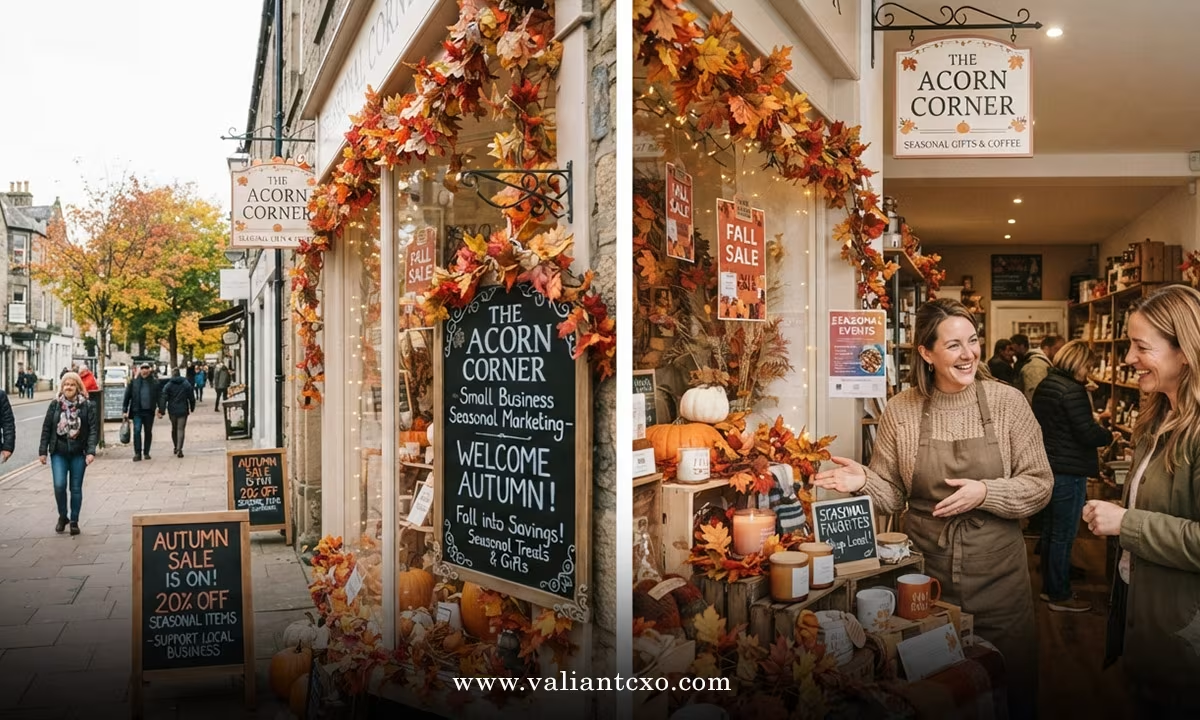
Update window displays, homepage banners, or in-store signage to reflect the season. Even small changes signal that you are paying attention. Clear, friendly language works best—“Perfect for a free bus day out” is more inviting than generic slogans.
6. Plan ahead with a simple calendar
List the main seasons and local events that affect your customers. Note key dates two to three months in advance so you have time to prepare stock, offers, and content. Review what worked after each period and adjust next time.
Measuring What Works
Track a few basic numbers: footfall or website visits, average transaction value, and which offers customers used most. Even rough notes help. If a summer promotion linked to family travel brought more families through the door, you know the approach is worth repeating when similar schemes appear.
Keep It Simple and Customer-Focused
The best seasonal marketing ideas for small businesses feel helpful rather than salesy. Focus on solving a real need at the right time—whether that is cheaper days out during free bus travel for children aged 5 to 15 England August 2026, warmer clothing when temperatures drop, or thoughtful gifts in December.
Start with one or two ideas that fit your business and customers. Test them, measure the results, and build from there. Consistent, timely attention to the seasons often delivers steadier results than occasional big campaigns.
By staying alert to both calendar seasons and temporary opportunities like the current free bus scheme, you give your small business more chances to connect with customers when they are ready to spend.